FUSE EV Conversions LLC
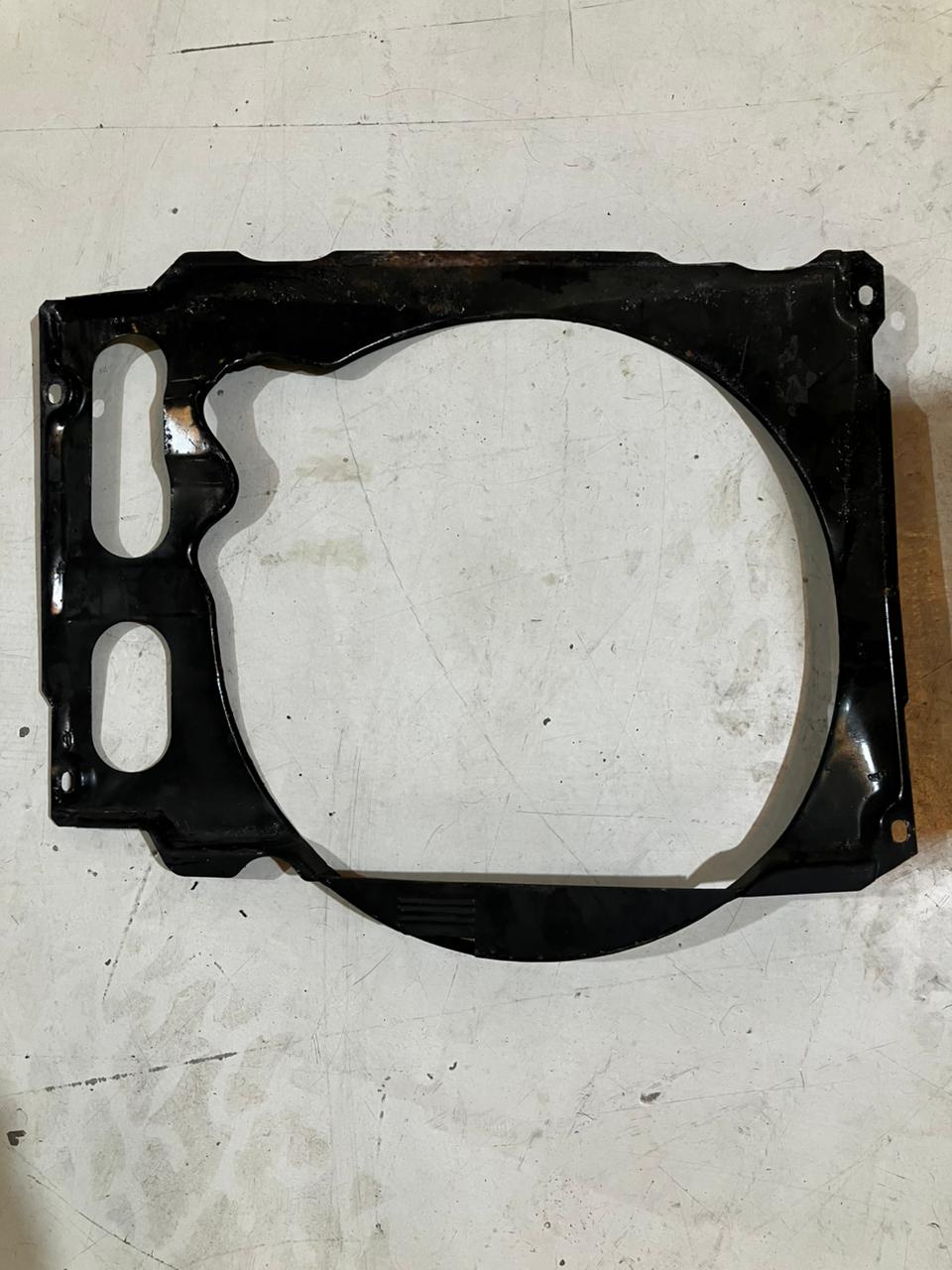
Original Steel Radiator Fan Shroud - Mercedes-Benz W111 / W108 / W109 (280 SE 3.5 V8)
Original Steel Radiator Fan Shroud - Mercedes-Benz W111 / W108 / W109 (280 SE 3.5 V8)
Couldn't load pickup availability
This is a genuine Original Stamped Steel Radiator Fan Shroud, engineered specifically for the V8-powered (M116 engine) 3.5 models of the classic Mercedes-Benz W111, W108, and W109 chassis. This shroud mounts directly behind the radiator and is absolutely critical for proper engine cooling, as it forces the mechanical engine fan to pull air evenly through the entire radiator core rather than drawing hot air from inside the engine bay.
Key Specifications
-
Product Type: Original Equipment (OE) Cooling Fan Shroud
-
Placement on Vehicle: Engine Bay (Mounted to the rear of the radiator)
-
Material: Heavy-Duty Stamped Steel
-
Finish: Factory Black Paint
-
Hardware Included: Bare metal shroud only (Mounting clips/screws are not included).
Key Features
-
Maximum Cooling Efficiency: Prevents V8 engine overheating by creating a proper vacuum tunnel, ensuring the fan draws ambient air exclusively through the radiator and oil cooler fins.
-
Authentic OE Stamping: Features the exact factory-stamped contours and side cutouts designed to clear the specific hose routing and engine accessories of the M116 3.5L V8 powertrain.
-
Durable Metal Construction: Unlike modern brittle plastic shrouds that crack from decades of engine heat cycles, this vintage stamped steel piece offers permanent structural integrity.
-
Restoration Ready: Structurally sound with no major bends or rust-through. It is an excellent candidate for a quick scuff and fresh coat of satin black high-temp paint for a concourse-quality engine bay.
Fitment & Applications
-
1969–1971 Mercedes-Benz W111 (280 SE 3.5 Coupé & Cabriolet)
-
1968–1972 Mercedes-Benz W108 (280SE 3.5, 280SEL 3.5)
-
1968–1973 Mercedes-Benz W109 (300SEL 3.5 V8)
-
Essential for completing a factory-correct V8 engine bay restoration where missing shrouds frequently lead to overheating issues.
Share